Where Your Guests Are Actually Spending Money (And Why Hotels Are Missing Out)
Thai tourists spend 50,900 baht per trip in 2025, but hotels capture only 35-46%. Here's where the rest goes and how to claim more of the guest economy.
Your hotel captures accommodation spend. Full stop.
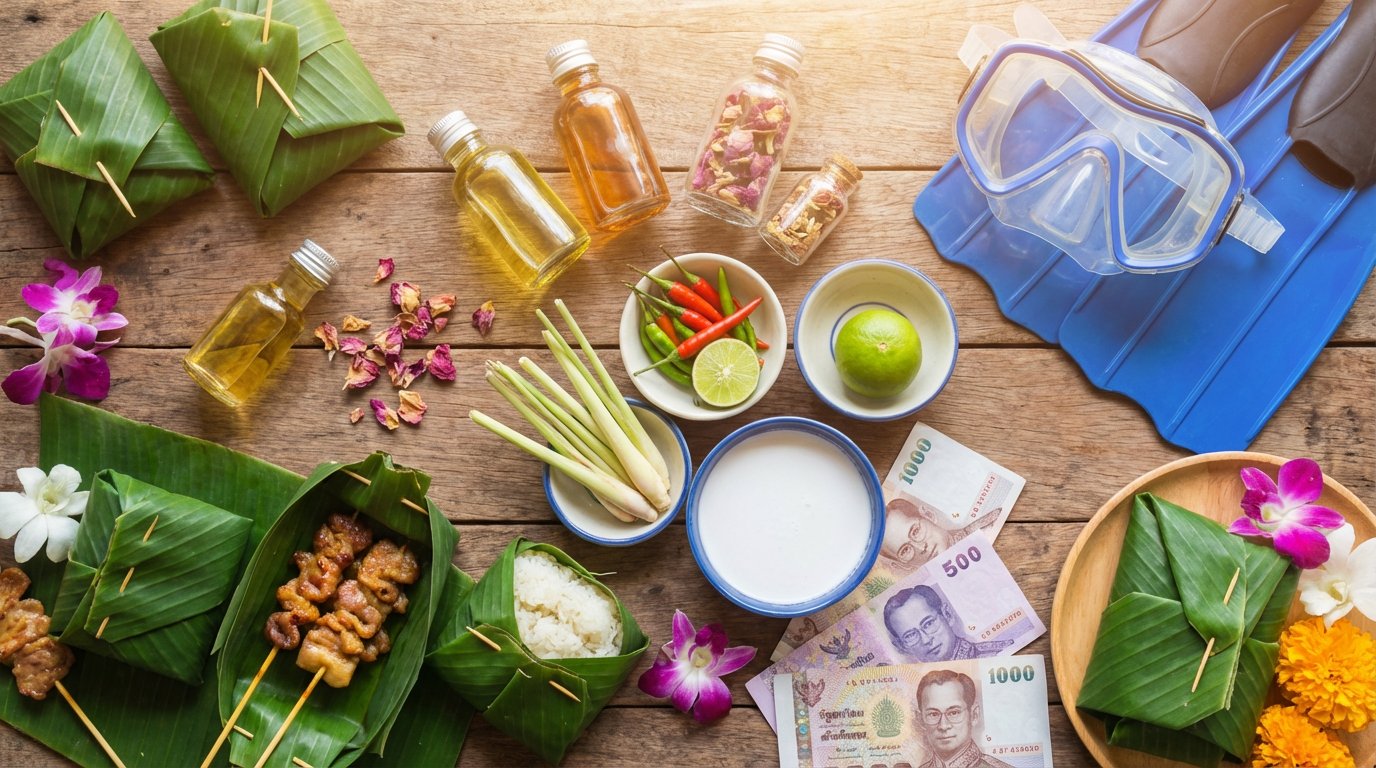
For every baht a guest pays for their room, they’re spending another one to two baht elsewhere during their trip—experiences, food, wellness, activities. The question isn’t whether guests have money to spend. They do. The question is whether they’re spending it with you or with the tour operator down the street, the restaurant across the road, or the spa two blocks away.
Tourist spending has fundamentally shifted since 2019. Hotels that understand this shift capture more wallet share. Those that don’t watch revenue walk out the front door every single day.
The Numbers: Thailand Tourist Spending Breakdown
The Tourism Authority of Thailand surveyed over 30,000 tourists in 2023. The findings tell a clear story about spending recovery—and where that money actually goes.
| Metric | 2019 | 2022 | 2023 | Change vs. 2019 |
|---|---|---|---|---|
| Total per trip | 48,209 baht | 44,607 baht | 50,900 baht | +6% |
| Daily spending | ~5,172 baht | ~4,956 baht | ~5,690 baht | +10% |
| Average stay | 9.3 days | 9 days | 9+ days | Stable |
Source: TAT Survey 2023, Bank of Thailand
Spending has not just recovered—it’s exceeded pre-pandemic levels. But here’s where hoteliers need to pay attention:
| Category | Share of Spend | Trend |
|---|---|---|
| Accommodation | 35-46% | UP significantly |
| Food & Beverage | 20-25% | Stable (but mix is changing) |
| Shopping | 15-28% | DOWN |
| Activities/Tours | 10-15% | UP |
| Transport | 5-8% | Stable |
Accommodation’s share is growing. Good news on the surface. But the critical insight here: hotels often capture only accommodation spend—missing F&B, experiences, and wellness spend entirely. That 35-46% slice could be 50-60% if properties positioned themselves to capture adjacent spend categories.
A guest paying 3,000 baht per night for a four-night stay generates 12,000 baht. During that same trip, they’re spending another 15,000-20,000 baht on other categories. How much of that second pile lands in your revenue column?
The Experience Economy Has Arrived
This isn’t speculation. Mastercard’s 2024 data shows experience spending up 32% post-pandemic compared to just 5% growth in discretionary goods. People buy memories now, not things.
Experiences now represent 12% of total tourism sales globally—the highest share in five years according to GetYourGuide’s 2024 research. The Asia Pacific region captured 42.99% of global adventure tourism in 2024, per Euromonitor data.
What travelers actually want (Deloitte research):
- Nature and outdoor activities: 59%
- Theme parks: 53%
- Cultural and historical experiences: 51%
- Cooking classes and food tours: Growing rapidly
Travelers are less likely to cut spending on activities they wanted to do, versus spending more on flights or accommodation.
Read that again. Guests will downgrade their room before they skip the elephant sanctuary visit or the cooking class. The experience is the trip. The hotel is just where they sleep.
Ninety percent of travelers won’t cut experience spending even in an economic downturn. That number comes from multiple 2024 surveys. Your guests are planning to spend on experiences. The only variable is whether they book those experiences through you or through someone else.
Wellness Tourism: The 59% Premium
Here’s a number that should get every hotel GM’s attention: wellness tourists spend 59% more than average tourists.
The numbers are substantial. ASEAN medical and wellness tourism hit $66.1 billion in 2024 according to GM Insights, with projections reaching $218.4 billion by 2034—a 12.4% compound annual growth rate. Thailand specifically generated 1 trillion baht in wellness tourism revenue in 2024, projected to reach 1.5 trillion baht by 2027.
Top spa customers in Thailand: Malaysia, China, Singapore. Properties positioned for these source markets with proper spa facilities and wellness programming capture premium guest segments.
Category breakdown for APAC wellness tourism (Mordor Intelligence):
- Wellness hotels: 31.87% of bookings
- Spa and beauty therapies: 19.63% market share
- Eco-wellness lodges: 13.24% CAGR growth
Spa isn’t a nice-to-have amenity anymore. It’s a revenue center. Properties without spa facilities or wellness programming are missing the fastest-growing high-margin segment.
Even basic wellness captures premium guests. You don’t need a full-service spa to participate. Morning yoga on the rooftop. Guided meditation sessions. A healthy breakfast menu. Partnership with a nearby wellness center. These low-investment offerings signal to wellness-conscious travelers that your property understands what they want.
F&B: The New Battleground
Thailand’s culinary tourism market hit $32.5 billion in 2024 per Future Market Insights. Projections: $179.4 billion by 2034. That’s an 18.6% compound annual growth rate. F&B represents 20-25% of tourist spending—a category where hotels should have natural advantages but often don’t.
The 2023 TAT survey revealed a significant shift in where tourists actually eat:
| Type | 2019 | 2023 | Change |
|---|---|---|---|
| Street food | 63% | 77.3% | +14 percentage points |
| Fine dining | 47.7% | 43.2% | -4.5 percentage points |
| Cafe hopping | 11.6% | 33.2% | +22 percentage points |
Street food jumped 14 percentage points. Cafe hopping nearly tripled. Fine dining dropped.
Your hotel restaurant faces a problem: guests don’t want hotel restaurants for most of their meals. They want authentic local experiences. Street food stalls with plastic chairs and lines out the door. Instagram-worthy cafes with latte art and natural lighting. The hotel buffet breakfast? Captive spend because it’s convenient. Everything else? They’re walking out your door.
Don’t fight this. Work with it.
Stop trying to compete with street food—you’ll lose on price, authenticity, and atmosphere every time. Instead, curate it. Partner with local vendors for food tours. Create a “local favorites” guide that positions your concierge as an expert. Commission a night market visit with your van.
The cafe culture wave is real—is your lobby Instagram-worthy? Properties investing in design-forward common spaces capture the cafe-hopping crowd who want to work, lounge, and post photos. That guest buying a 180-baht coffee at your lobby cafe wasn’t going to eat at your restaurant anyway. But you got 180 baht you wouldn’t have otherwise.
Cooking classes are high-margin—a Thai cooking class runs 1,500-3,000 baht per person for 2-3 hours. Your cost is ingredients, an instructor, and kitchen access. Margins easily exceed 60%. Properties offering in-house cooking experiences capture spend that would otherwise go to external operators.
Breakfast remains captive—make it exceptional—this is the one meal where you have natural advantage. Guests staying at your property will eat breakfast somewhere. Make it memorable, photograph-worthy, locally distinctive. A great breakfast drives review comments and repeat bookings.
Shopping Is Dying (And That’s Okay)
The data is stark. Korea’s duty-free sector collapsed from 11.65 trillion won in 2023 to 6.36 trillion won in the first half of 2025 alone—a 45% collapse in two years, despite increasing tourist arrivals.
Unlike in the past, these tourists are less inclined to purchase high-end luxury goods and are instead opting for more affordable items related to K-pop culture, such as cosmetics, clothing and snacks.
Why are tourists buying less?
E-commerce wins on price and reviews. Why buy at an airport shop when you can research better, compare prices, read reviews, and order online with delivery to your home? The information asymmetry that made duty-free attractive has evaporated.
Material purchases are shifting to experiences. Gen Z in particular prioritizes memories over possessions. The money that went to shopping now goes to activities.
TAT surveys consistently rank souvenir shops at the lowest confidence levels among tourist activities. Guests aren’t excited about shopping—they’re checking a box.
What this means for hotels: don’t invest in gift shops expecting tourist shopping revenue. The hotel gift shop stuffed with generic elephant figurines and silk scarves? Nobody’s buying. Souvenir revenue peaked in 2015.
If you must have retail, make it curated. Partner with local artisans. Sell items that tell a story. The boutique offering handmade ceramics from a Chiang Mai artist captures guests who wouldn’t glance at mass-produced souvenirs. But keep expectations realistic—retail is not where guest money flows anymore.
Gen Z Spends Differently
The guests booking rooms in 2030 are making travel decisions right now. Understanding how younger travelers spend money isn’t academic—it’s strategic.
McKinsey research shows 52% of Gen Z travelers splurge on experiences compared to just 29% of boomers. Marriott Bonvoy data indicates 65% of Gen Z and 72% of millennials increased travel spending in 2024.
What will they cut to fund travel? Klook’s TravelPulse 2024 survey asked:
- Daily coffee: 54% willing to cut
- Dining at home: 60% willing to cut
- Shopping sprees: 57% willing to cut
- Experiences while traveling: Won’t cut
They’ll sacrifice daily lattes for six months to fund a trip. They won’t sacrifice the experiences on that trip.
Southeast Asian youth travel the most frequently in Asia Pacific. One-third plan three or more trips in the next 12 months according to Mastercard APAC data. Indonesian youth (51%), Thai youth (39%), and Filipino youth (34%) lead regional travel frequency.
What younger travelers actually value (TTG Asia, Marriott research):
- 90% prefer hotels with local design and eco-friendly practices
- 61% prioritize wellness in travel decisions
- 71% travel off-peak specifically for value
Properties that understand this are repositioning now. The boutique hotel investing in local design, sustainability messaging, and experiential offerings is building the guest base of 2030. The generic mid-market property hoping Gen Z values the same things their parents did is miscalculating.
What Spending Data Should You Actually Collect?
Most hotels track:
- Room revenue
- F&B revenue (on-property only)
- Spa revenue (if applicable)
This tells you what guests spent with you. It tells you nothing about what they spent during their stay—which is often 50-65% more than what you captured.
What hotels typically miss:
- Experiences booked elsewhere
- Where guests ate off-property
- What they wished you offered
- Why competitors got their activity spend
The last bullet matters most. Every guest who books a tour through Klook, eats dinner down the street, or visits an external spa made that choice for a reason. Usually because you didn’t offer an alternative—or they didn’t know you did.
Feedback as spending intelligence
Guest feedback surveys typically ask about satisfaction. They rarely ask about spending. Here’s what to add:
- “What activities did you enjoy most during your stay?” (Reveals what experiences guests value)
- “Where was your favorite meal?” (Shows F&B competitive landscape)
- “What experience would you book if we offered it?” (Direct demand signal)
- “What would have made your stay more complete?” (Identifies unmet needs)
This transforms feedback from pure satisfaction measurement into market research. You learn not just how guests felt about what you offered, but what they wanted that you didn’t offer.
Properties asking these questions can:
- Add services guests actually want
- Partner with local operators for commission revenue
- Adjust F&B positioning based on competitive reality
- Capture more of the guest economy with targeted offerings
Practical Actions: Capturing More Guest Spend
1. Audit Your Experience Offerings
What can guests book through you versus elsewhere? List every experience available in your destination. Mark which ones you offer, which ones you refer out, and which ones you don’t mention at all.
Most properties find massive gaps. The elephant sanctuary 30 minutes away that every guest asks about—do you offer transport? Do you take commission on referrals? Or do guests just book on Klook and you get nothing?
2. Rethink Your F&B Position
Stop competing with street food. You won’t win on authenticity or price.
Instead: Are you the hotel that offers the best local food tour? The property with the cooking class everyone talks about? The boutique with the Instagram lobby cafe? Pick a lane.
Breakfast is your captive meal—make it exceptional. Unique, locally-inspired, photograph-worthy. This is where you can actually differentiate.
3. Position Wellness as a Revenue Center
You don’t need a full-service spa. Morning yoga costs you an instructor fee. Meditation sessions cost you a facilitator. A healthy menu section costs you recipe development.
These signal to wellness-focused travelers—the guests paying 59% premiums—that you understand what they want. Partner with nearby wellness providers if you can’t offer services in-house. Take commission on referrals.
4. Ask Better Questions
Add spending-pattern questions to your guest feedback. Don’t just ask “How was your stay?” Ask “What experiences did you book? Where did you discover them? What would you have booked if we offered it?”
This converts every departing guest into market research. Aggregate the data and you know exactly what services to add, what partnerships to pursue, what your competitive gaps actually are.
5. Target the Right Demographics
European guests stay longer. Wellness tourists spend 59% more. Gen Z wants experiences over amenities.
Your marketing, packages, and service design should reflect the segments you’re targeting. The property chasing volume with rate cuts attracts budget travelers who spend minimally beyond the room. The property positioning for experience-focused wellness travelers captures higher total guest value.
The Revenue You’re Leaving on the Property
For every 100 baht guests spend on accommodation, they spend another 100-150 baht on food, experiences, wellness, and activities during their trip. The question has never been whether guests are spending. They are. The question is whether they’re spending with you.
Hotels that win in 2025 and beyond won’t just sell rooms. They’ll understand the complete guest spending journey—and they’ll capture a larger share of it.
The data is clear. Experience spending is up 32%. Wellness tourists pay 59% premiums. Street food and cafe culture are winning the F&B casual segment. Shopping is collapsing. Gen Z prioritizes memories over things.
Properties that adapt to these realities position themselves for growth. Properties that don’t will watch guest spending walk out the door, one day at a time.
Understanding what your guests actually want—and where they’re actually spending—starts with asking the right questions while they’re still on property.
Want to capture spending intelligence from your guests? GuestMetrix feedback systems include customizable questions that help you understand complete guest spending patterns—not just satisfaction scores. Start your free 60-day pilot and discover what opportunities you’re missing.
Frequently Asked Questions
How much do tourists spend in Thailand per trip?
What percentage of tourist spending goes to accommodation?
How much more do wellness tourists spend compared to regular tourists?
How has tourist dining behavior changed since 2019?
What do Gen Z travelers prioritize when spending on travel?
Related Resources
- Thailand Hotel Industry 2025: Navigating Declining Arrivals and Rising Competition - Current market conditions and regional performance data
- How to Prevent Bad Hotel Reviews Before They’re Posted - Capturing guest feedback while they’re still on property
- QR Codes for Guest Feedback: Complete Implementation Guide - Practical setup for hotels, restaurants, and spas
Sources and Data
- TAT (Tourism Authority of Thailand) Survey 2023: 30,054 tourist sample
- Bank of Thailand tourism expenditure data
- Mastercard Economics Institute 2024: Experience spending trends
- GetYourGuide 2024: Experience tourism market share
- Euromonitor International: APAC adventure tourism statistics
- Deloitte 2024 Travel Report: Traveler spending priorities
- GM Insights: ASEAN medical and wellness tourism market data
- Mordor Intelligence: Asia-Pacific wellness tourism breakdown
- Future Market Insights: Thailand culinary tourism market
- Krungsri Research: F&B tourism analysis
- Korea Times: Duty-free market decline analysis
- McKinsey & Company: Gen Z spending research
- Marriott Bonvoy Traveler Insights 2024
- Klook TravelPulse 2024 Survey
- Mastercard APAC Travel Trends
- TTG Asia: Young traveler preferences
Tags
Ready to improve guest satisfaction?
Start your free 60-day pilot program today. No credit card required.