How Restaurants Are Preventing Bad Google Reviews in 2025
Discover proven strategies restaurants use to prevent bad Google reviews. From table QR codes to delivery feedback, stop negative reviews before they post.
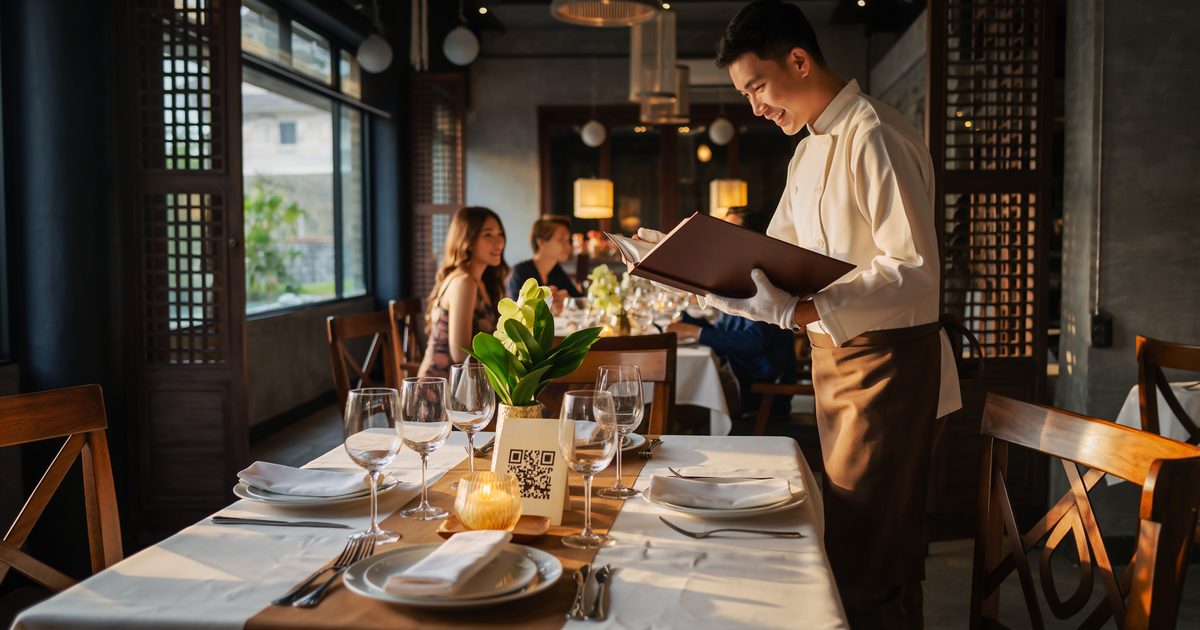
When potential diners search “restaurant near me” on Google, they see the star rating before the cuisine type, before the price range, before anything else. Below 4.0 stars, restaurants become functionally invisible to most searchers.
The stakes are different than hotels. A hotel guest might stay three nights, offering multiple chances to address issues. Restaurant service happens in 60-90 minutes. Miss the problem during that window, and the review gets written that night.
Why Google Dominates Restaurant Discovery
TripAdvisor built its reputation on hotels and tourist attractions. For local dining decisions, Google has become the default starting point.
These statistics come from restaurant industry research conducted in 2024, showing Google’s dominance is not just about search—it’s about the entire discovery-to-decision journey.
Local Search Integration
When diners search for restaurants, Google doesn’t redirect them to review sites. Google displays its own ratings, embedded directly in search results and Maps. The integration is seamless: search “Italian restaurant Bangkok,” and Google shows star ratings before clicking through to any individual listing.
This matters because friction reduces action. Diners checking multiple platforms before choosing a restaurant dropped from 41% in previous years. Google’s embedded ratings mean fewer people leave Google’s ecosystem before making decisions.
The Mobile Default
Google Maps serves as the default navigation app for most diners. When potential customers search while already in the area looking for dinner, Google’s star ratings appear alongside distance and open/closed status. The visual hierarchy positions ratings as the primary filter.
For restaurants, this means Google ratings aren’t supplementary marketing—they’re primary discovery infrastructure.
The 4-Star Threshold
Research consistently shows that 91% of diners avoid restaurants rated below 4 stars. This threshold operates as a psychological filter, with ratings below 4.0 triggering avoidance rather than consideration.
The Math of Degradation
A restaurant with 50 reviews averaging 4.3 stars can drop below the 4.0 threshold with just three 1-star reviews. The smaller the review count, the more vulnerable the rating. New restaurants and smaller operations face the highest risk from individual negative reviews.
Revenue Impact
Studies show restaurants see a 5-9% revenue increase for every half-star improvement on major review platforms. The inverse applies: each half-star decline costs approximately 5-9% of revenue. For a restaurant generating 2 million baht monthly, a drop from 4.5 to 4.0 stars represents a potential revenue loss of 200,000-360,000 baht per month.
Thailand’s Delivery Context
Thailand’s food delivery market continues expanding. LineMan led transaction volume in the first half of 2024, with Grab and ShopeeFood following. Each platform maintains its own rating system, but dissatisfied delivery customers increasingly post on Google as well—where ratings are permanent and visible to all potential customers.
The delivery penetration rate in Thailand reached 27.14% in February 2024. For restaurants with significant delivery volume, reputation management now spans multiple platforms, each with different dynamics but similar consequences for poor ratings.
Why Restaurants Face Unique Challenges
The core principle of preventing bad reviews applies across hospitality: identify problems while guests can still be helped. Implementation differs significantly between hotels and restaurants due to operational structure.
Hotels
- Multi-day stays create multiple intervention opportunities
- 50-100 occupied rooms on busy nights
- Problems can be addressed tomorrow
- Mid-stay check-ins reveal issues early
- Front desk serves as central feedback point
Restaurants
- 60-90 minute service window—one chance
- 200-300 covers on busy nights—higher volume
- Guest often leaves before staff notices problems
- No mid-meal formal check-in in most operations
- Feedback dispersed across servers, no central collection
For hotels, see the comprehensive guide on preventing bad hotel reviews.
Wait Time Compounds
Nearly two-thirds of restaurant service complaints relate to wait times. Research shows 76% of customers become impatient after just 15 minutes of waiting.
The challenge: on Friday and Saturday nights, kitchen delays are virtually inevitable. When serving 250+ covers in a 4-hour window, perfect timing is impossible. The question becomes whether complaints surface while recovery is still possible.
Perception Magnification
Studies indicate customers perceive wait times as 50% longer than actual elapsed time when not kept informed about delays. A 20-minute kitchen delay feels like 30 minutes to hungry diners. Without proactive communication, frustration builds invisibly.
No Recovery Window
Hotels can comp a room, upgrade the next night, send amenities, follow up in the morning. Restaurants rarely get tomorrow. When a guest leaves dissatisfied, the opportunity to prevent the review has typically closed.
This compressed timeline makes real-time feedback systems essential rather than optional.
The Three High-Risk Complaint Types
Not all complaints predict reviews. Some guests vent frustration but move on. Three complaint categories reliably forecast negative Google reviews.
Extended Wait Times
Kitchen delays, seating waits, and slow check processing account for nearly two-thirds of service complaints. When guests complain about waiting, they’ve typically been frustrated for 10+ minutes already.
Expectation Mismatches
“Not what I ordered,” “different from the photo,” “not worth the price.” The gap between expectation and delivery. These complaints signal deeper dissatisfaction than simple preference differences.
Staff Attitude Issues
Dismissive service, inattentive servers, perceived rudeness. Service attitude complaints feel personal to diners, triggering emotional responses that manifest as detailed negative reviews.
Why Wait Complaints Are Most Dangerous
Academic research on restaurant wait times shows that bad waiting experiences can reduce revenue by up to 15%. But the mechanism matters: it’s not the wait itself that predicts reviews, it’s unacknowledged waiting.
When restaurant staff offer timely apologies during service delays, customers show significantly higher willingness to continue waiting. The acknowledgment itself—separate from any tangible compensation—reduces the likelihood of negative reviews.
This suggests that complaint detection systems must operate in real-time. End-of-meal surveys miss the intervention window.
Proven Prevention Strategies
Table QR Codes: Mid-Meal Feedback
Place QR codes on table tents, linking to a survey with 2-3 questions maximum:
- “How’s your meal so far?” (1-5 rating)
- “Anything we should know?” (optional comment)
The critical difference from checkout surveys: mid-meal timing. Guests scan after receiving their food but before finishing. Problems get flagged while the guest remains at the table.
QR adoption in Thailand is near-universal following COVID-era normalization. Tourists expect digital touchpoints. The barrier to scanning is effectively zero.
For detailed implementation, see the QR Code Implementation Guide.
Instant Manager Alerts
When a guest submits a rating of 1-3 stars via the table QR code, the manager receives an immediate notification. Not a dashboard update. Not an end-of-shift report. An instant alert.
This creates a brief intervention window. The guest remains seated. The manager can approach the table, acknowledge the issue, and attempt resolution before the guest leaves frustrated.
Staff Empowerment Protocols
Managers cannot be everywhere during busy service. Front-line staff need authority to resolve common issues without seeking permission.
Effective empowerment requires specific playbooks:
| Issue | Authorized Response | Goal |
|---|---|---|
| Kitchen delay >15 min | Apologize, offer complimentary appetizer or drink, provide realistic updated time | Acknowledge frustration, demonstrate value for guest’s time |
| Food quality problem | Offer immediate remake, remove from bill if guest declines replacement | Solve the problem or eliminate the cost |
| Service error | Manager approaches table, apologizes directly, comps portion of meal | Personal acknowledgment of failure |
The key constraint: speed. Authorization to act immediately matters more than the specific compensation offered.
The Service Recovery Paradox
Research shows 70% of customers return after effective complaint handling. More surprisingly, academic studies confirm the “service recovery paradox”: customers who experience problems that get resolved quickly often show higher loyalty than customers who never experienced problems.
The mechanism: effective recovery demonstrates the restaurant’s values. Mistakes are expected. How the restaurant responds to mistakes reveals character.
But this only works when recovery happens before the guest leaves. Post-departure apologies rarely salvage the relationship.
The Delivery Challenge
Delivery revenue represents a significant portion of restaurant income in urban Thailand. The market reached 27.14% penetration in February 2024, and continues growing.
But delivery creates a feedback blind spot that dine-in service doesn’t have.
No Visual Feedback Signals
Dine-in servers read facial expressions, monitor eating pace, notice plates returning with food uneaten. These visual signals flag problems before guests explicitly complain.
Delivery eliminates all visual feedback. Food leaves the kitchen, enters a delivery bag, and arrives somewhere staff will never see. Problems only surface through ratings—typically negative ones.
Platform Rating Dynamics
LineMan holds the largest market share by transaction volume in 2024, followed by Grab and ShopeeFood. Each platform weighs ratings differently, but all penalize consistently low-rated restaurants with reduced visibility.
The operational challenge: delivery ratings reflect factors beyond food quality. Late drivers, damaged packaging during transport, incorrect orders due to platform interface issues—all generate low ratings attributed to the restaurant.
QR Codes on Delivery Packaging
The simplest intervention: QR code stickers on every delivery bag or box. The QR links to a mobile-optimized survey:
- “How was your delivery? Rate 1-5”
- “What should we know?”
Design the routing intelligently:
- 4-5 stars: “Would you share your experience on Google?” → Link to Google review page
- 1-3 stars: “Thank you. We’ll follow up.” → Route to manager for private resolution
This channels positive feedback toward public reviews while directing negative feedback to private resolution—before it becomes a public review.
Platform-Specific Tracking
Track ratings separately across LineMan, Grab, and ShopeeFood. Look for patterns. Are ratings lower on one platform? Investigate why.
Common patterns:
- Lower ratings on specific platforms: May indicate driver quality issues unique to that service
- Lower ratings in specific areas: May reveal delivery time problems for particular zones
- Lower ratings during specific times: May indicate rush-hour delays affecting food quality
Cross-platform analysis reveals problems that single-platform monitoring misses.
What to Measure
CSAT Over NPS for Single-Visit Businesses
Net Promoter Score (NPS) measures likelihood to recommend. Customer Satisfaction Score (CSAT) measures satisfaction with a specific experience.
For restaurants, where most customers visit occasionally rather than regularly, CSAT tied to individual visits provides more actionable data. A guest might recommend the restaurant overall (high NPS) while being dissatisfied with tonight’s specific experience (low CSAT).
The low CSAT for tonight predicts the review they’ll post tomorrow. NPS measures general sentiment but doesn’t predict imminent review behavior.
For detailed metric selection guidance, see NPS, CSAT, and CES: Which Hospitality Metric Should You Use?
Response Rate Monitoring
Target 15-25% response rates for table QR codes. Below 10% indicates problems with:
- QR code visibility or placement
- Survey length (anything over 3 questions is too long)
- Guest perception that feedback doesn’t matter
When response rates drop, investigate. The system only works if guests engage with it.
Time-to-Resolution Metrics
Track elapsed time from negative feedback submission to guest follow-up. Target 10-15 minutes for in-restaurant issues. Anything exceeding 20 minutes risks the guest leaving before intervention.
For delivery issues, target same-day follow-up. Next-day follow-up is too late—the guest has likely already posted a review.
Implementation: Week One
Perfect systems are unnecessary to begin. Start with minimum viable implementation and iterate.
Day 1: Create and Deploy QR Codes
Generate QR codes linking to a simple survey. Google Forms works for initial testing. Place codes on 10-15 tables at different locations in the dining room—near entrances, middle sections, and quieter areas.
Day 2-3: Brief Staff and Set Up Alerts
Explain the pilot to managers and servers. Set up a simple alert process: negative feedback triggers a LINE message to a manager group chat. Nothing sophisticated required initially.
Day 4-7: Monitor and Iterate
Track which tables generate the most responses. Note placement factors: Are codes near windows more visible? Do specific table sizes respond more frequently? Adjust placement based on response patterns.
Review the types of feedback received. Are questions clear? Is the survey length appropriate?
Week 2: Full Deployment
Expand QR codes to all tables. Add placement at checkout counters. Create basic response playbooks for common issues based on Week 1 feedback patterns.
The Bottom Line
Preventing bad Google reviews requires surfacing problems while resolution remains possible. For restaurants, the compressed service window makes this harder than hotels, but the same core principle applies: guests who feel heard are far less likely to post negative reviews.
The compressed timeline demands real-time feedback systems. Post-meal surveys arrive too late. Table QR codes, instant manager alerts, and empowered staff create intervention opportunities during service, not after.
Delivery adds complexity, eliminating the visual feedback signals that dine-in service provides. QR codes on packaging and platform-specific tracking bridge this gap.
The goal isn’t manipulating ratings or suppressing honest feedback. The goal is creating operational systems where problems become visible quickly enough to fix them. Each intercepted complaint represents a prevented negative review—and often, a loyal customer created through effective recovery.
The compressed restaurant service window makes prevention harder. But the same fundamental dynamic remains: unhappy guests who feel unheard write detailed negative reviews. Unhappy guests whose problems get acknowledged and addressed typically don’t.
Want to prevent bad Google reviews at your restaurant? GuestMetrix helps restaurants capture real-time feedback via table QR codes, route issues to managers instantly via LINE, and resolve problems before guests leave. Start your free 60-day pilot and see what proactive feedback collection does for your Google rating.
Frequently Asked Questions
How many diners actually check Google reviews before choosing a restaurant?
What star rating do restaurants need to maintain?
What complaints are most likely to result in bad reviews?
How do you collect feedback from delivery customers?
Does service recovery actually prevent bad reviews?
Related Articles
- How to Prevent Bad Hotel Reviews Before They’re Posted - The foundational prevention framework for hospitality
- QR Code Guest Feedback Implementation Guide - Detailed technical implementation for table QR systems
- NPS, CSAT, and CES Explained: Which Hospitality Metric Should You Use? - Choosing the right metrics for restaurants
- The State of Thailand Hospitality: Challenges and Solutions for 2025 - Market context and trends
Sources
This article references statistics and research from multiple industry sources:
- Toast Restaurant Review Impact Study 2025 - Consumer behavior and revenue impact data
- Google Review Statistics for Hospitality 2025 - Platform usage and rating threshold research
- Restroworks Restaurant Search Statistics - Google discovery and visibility data
- Restaurant Customer Complaints Research - Wait time and complaint type analysis
- UpMenu Restaurant Complaints Study - Service recovery effectiveness data
- Academic Research on Restaurant Wait Times - Service recovery and waiting time impact
- Statista Thailand Food Delivery Market Data - Market share and platform statistics
- Rakuten Insight Thailand Food Delivery Survey 2024 - Penetration rates and consumer adoption
Tags
Ready to improve guest satisfaction?
Start your free 60-day pilot program today. No credit card required.